






Confronting the demonic crisis. Preparing for the Kingdom to come.

I am Michael, and I started the Metanoia Project because ten years ago I discovered I was possessed…
The Metanoia Project
Our aim is to make demonic phenomena the central scientific and philosophical question of our time.
To give those who suffer a voice, an authoritative account of what they are experiencing, and a tested way to treat it.
Read the ManifestoThe case for the Metanoia Project
An invisible emergency
People suffering demonic affliction are passed from door to door.
- 1GPReferred on
- 2PsychiatryTreatment-resistant
- 3PriestReferred on
- 4Deliverance ministryNo record kept
- 5RetreatSent home
- 6Psychedelic facilitatorIntegration
- 7GP…
No record of their search for help is kept, and there is no one whose job it is to keep one. The person does not fall out of the current system. They are invisible to it.
Fr Chad Ripperger is an American Catholic priest and exorcist. He works inside the rite of the Church, on cases referred to him by his bishop.
0%
of people, he estimates, carry some form of demonic affliction or infestation, as distinct from a psychological issue.
Dr Jacques Mabit is a French physician. For over thirty years he has run an addiction clinic in the Peruvian Amazon, treating patients with ayahuasca alongside the traditional medicine of the region.
25%
A different continent. A different tradition. No connection between them. The same figure.

A Church in crisis
The Catholic Church has held custody of this phenomenon for two thousand years. It has never sought to have it subjected to rigorous scientific enquiry. It has never measured the efficacy of its own rites and practices. Those priests and exorcists who are charged with caring for the afflicted are given grossly inadequate training.
The Protestant and charismatic churches are in similar disarray. The practice of deliverance is scattered, and where it occurs there is usually no formal training, no shared record, no recognised authority. Nobody counts the people who come looking for help.

A compromised science
Psychedelic research meets hostile entities routinely, and files them as hallucination. It encounters possession states and exorcisms, and calls them challenging experiences. The researcher who takes it seriously risks their standing and their career. And those working for the wider adoption of psychedelics do not discuss these events at all, for fear of what regulators would make of them.
A medicine in crisis
Psychiatry’s model is in crisis. Its diagnoses are agreed by committee, not found in the body, and it knows this.
When a person presents with demonic affliction, the psychiatrist has one move. The person is diagnosed, medicated and filed. What they said is never examined.
Psychiatry does not study this. It makes it disappear.
Stigma
The Church has its reasons for leaving this subject alone. So does science. So does medicine. But the resistance runs deeper than any institution. People recoil from this subject. They do not want to speak about it, or hear it spoken about.
To be demonically afflicted is one of the most stigmatised experiences a person can have.
- Tell a doctorYou are diagnosed
- Tell a priestYou are referred on
- Tell your familyThey fear for your mind
So people tell no one. And so there is no record.
Researchers avoid this subject for the same reason. So the most obvious questions have never been asked.
The first is whether the reports that appear under all of these headings describe the same thing.
- Psychiatry
- Depth psychology
- Transpersonal psychology
- Sleep science
- Anthropology
- Psychedelic research
- Philosophy of mind
- Catholic exorcism
- Pentecostal deliverance
- Islamic ruqyah
- Shamanism
- Irish folklore
It is already present in all of these places. None of them read the others.
The Black Paper is the first attempt to set the fragments side by side and draw the object they describe.
This is version one, open for correction and collaboration.

The paper can only describe the object.
Someone has to be observed in its light.

No one has documented a possession state from diagnosis to resolution, in the open. I am going to.
Cameras rolling. Brain scanned. Gut tested. A deliverance team in the room, and researchers beside them. Eight stages, recorded as they happen, observed with the paper in hand, and published whether it works or not.
- 1DiagnosisAssessed from every side
- 2SuitabilityAm I a safe candidate
- 3PreparationThe person and the team
- 4The containerWhere I am held
- 5The interventionsDeliverance first, measured
- 6Half resolutionThe honest middle
- 7Full resolutionWhat free means, and who says
- 8AftercareThe months after
The team are there to get me free, not to write a protocol. What comes out is the notes: what it takes to stage an intervention safely, and to observe it properly. A protocol can be written from those.
But I cannot do this alone.
The first case is mine.
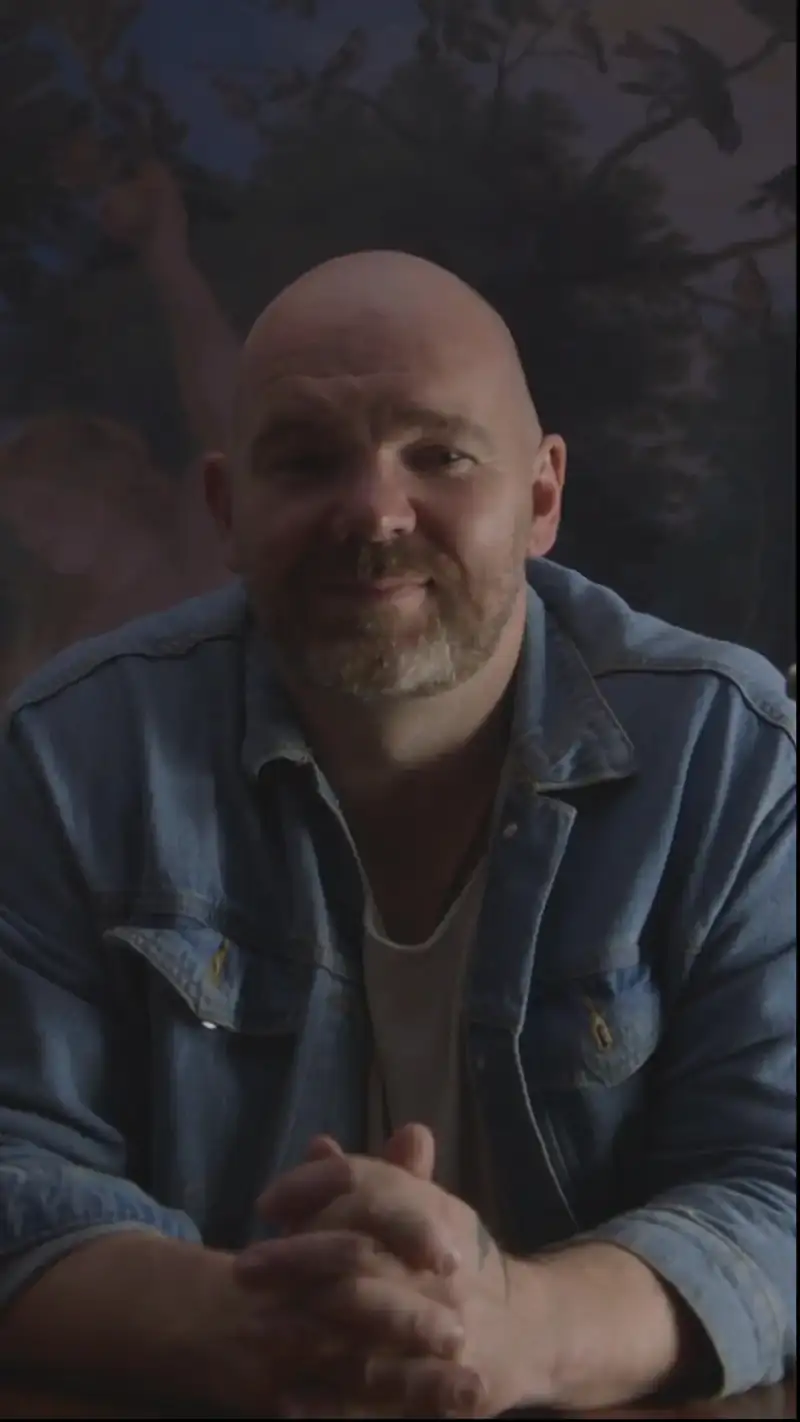
I need your help to bring the Metanoia Project into existence.
The money pays for the cameras, the scans, the researchers, and the web series.
- Watch the V-Logs and the series before anyone else.
- Read what we publish first.
- Argue with the Black Paper, and be read by me.
- Have a say in where the Project goes.
- Your name on the Manifesto, as a founder.
Join the newsletter for our latest thinking.
Subscribe