Case One
An n-of-1 study
No one has documented a possession state from diagnosis to resolution, in the open. I am going to.
This is how. Eight stages, each with three questions: what we do, why, and what it gives the next case. Where a stage is not yet settled, I say so.
The deliverance team and the researchers are there to get me free. They are not building a protocol. They are thinking, and writing down what they think. What comes out is the notes: a clear picture of what it takes to stage an intervention safely and well, and what it takes to observe one properly. A protocol could be written from those. That is for later.


01
Not started
Diagnosis
What we do
I am assessed from every side at once. A psychiatrist interviews me. A neurologist examines me and my brain is scanned. I spend nights in a sleep laboratory. My gut is tested. An exorcist makes his own discernment, by the rite’s own method.
Each of them writes down what they find, in their own terms, without seeing the others’ notes first.
Why
Nobody has ever had every account of the same state side by side. Each discipline sees its own corner and files it under its own name. Putting them together is the first thing that has to happen, and it has never happened.
The point is not to pick a winner. The point is to see where the accounts agree, where they contradict each other, and what none of them can explain.
What it gives the next case
The first shared record of a possession state. The beginning of a common language, so that a doctor and a priest can describe the same thing and know they are describing the same thing.


02
Not started
Suitability
What we do
Before anything is done to me, the team decides whether I am a safe candidate. Can I consent, and keep consenting. Am I well enough, in body and in mind, to go through this. Is there anyone at home who would be harmed by it. If the answer is no, the case stops here, and that is published too.
Why
This is done to a person, not a subject. The first case has to be one that can be done safely, with the person’s eyes open, or it should not be done at all. The rule is written before the finding, so nobody can bend it.
What it gives the next case
The criteria. Who can safely be studied this way, and who should be sent to ordinary care instead. That list does not exist today.
03
Not started
Preparation
What we do
A person going for heart surgery prepares for weeks. They stop what is doing the harm, they get strong, they put their affairs in order, they understand what is coming. I do the same.
The tradition has its own preparation, and it is older than medicine’s: confession, fasting, prayer, breaking with whatever the state feeds on, making peace with the people around me. I go through it, and it is recorded like everything else.
The team prepares too. The baseline is measured. The cameras are set. Consent and ethics are on paper before anything begins.
Why
The preparation is part of the treatment, not a wait before it. In the tradition, the state is weakened by the life the person leads going in, and I want that tested rather than assumed.
The baseline is the “before” that every “after” is measured against. Without it there is no result, only a story.
What it gives the next case
A written preparation, with the reasons for each part, that the next person can follow. And the first measured baseline of a possession state before intervention.


04
Not started
The container
What we do
Where I am held while this happens, and how closely. There are degrees. At home, with my family briefed and a line to call. In a residential setting, with the team on hand day and night. And the hard case, where a person is a danger to themselves or others, where medicine’s answer is a locked ward and the Church’s answer is nothing.
Who decides the degree, what moves a case up, and what moves it back down, is set out before we start. The team can stop the work at any point, and the conditions for stopping are written.
Why
A possession state in its acute phase is not something you take home at six and come back to on Monday. It has to be held. Nobody has described how, or by whom.
The container is also where the sceptic will read hardest. A deliverance team and researchers in the same room, under agreed rules, is the thing that has never existed. It has to be done properly or not at all.
What it gives the next case
The first description of what holding this state requires, by degree. It is the ground plan for the residential facilities the Manifesto calls for.
05
Not started
The interventions
What we do
Deliverance and exorcism first, because that is the tradition’s own method and it has never been measured. Then whatever else the team agrees to try, in an agreed order, each one recorded the same way: what was done, what changed, what did not.
Other traditions have their own methods. Dr Mabit’s clinic in the Amazon is one. Whether I go there is a decision for the team, made in the open.
Nothing on this page names a drug, a dose, or a procedure. Those decisions belong to the clinicians in the room, and they will be recorded when they are made.
Why
The question is not whether exorcism works. It is what happens, measurably, when it is performed on a documented case. Nobody knows, because nobody has looked.
Trying one thing at a time, and recording each, is the only way the next case learns anything from mine.
What it gives the next case
The first record of what intervention does to a measured state. The beginning of knowing what to try first, and what to try next.
Not yet settled. This stage is open for argument.
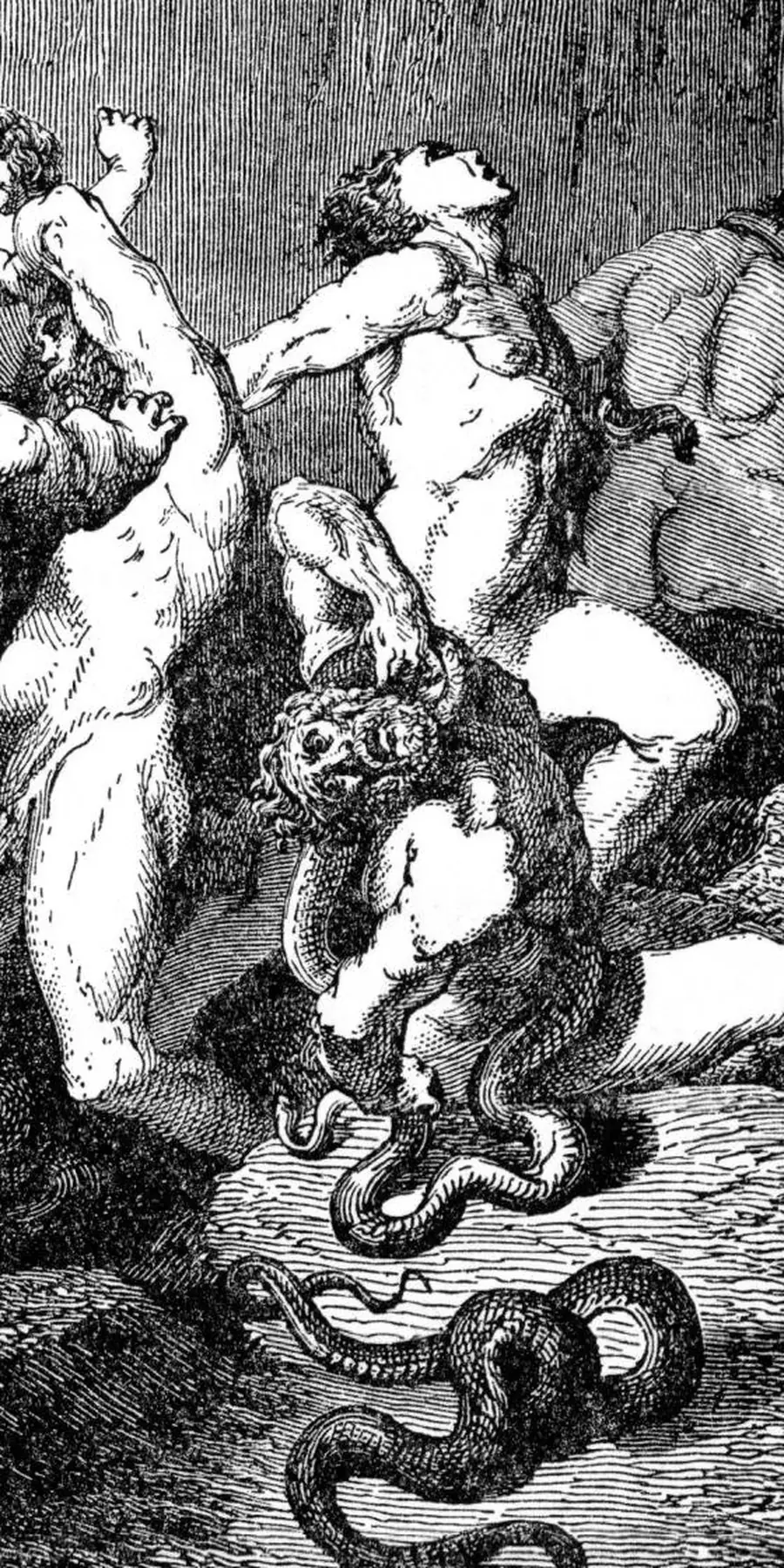

06
Not started
Half resolution
What we do
The honest middle. Something works a little and nothing works fully. I describe what partial relief is like from inside. The team records what changed in the measures, and what did not.
We decide, in advance, what we do when we get here: go on, change course, or stop.
Why
Most cases will live here, not at full resolution. A protocol that only knows what to do when it wins is no use to anyone. The middle has to be written.
What it gives the next case
A description of partial relief, from inside and outside, and a rule for what to do with it.


07
Not started
Full resolution
What we do
What “free” means, and who says so. The measures from preparation are repeated. The deliverance team gives its judgement. The clinicians give theirs. Both are recorded, whether or not they agree.
Why
If the two judgements agree, that is the first time they ever have, on a documented case. If they disagree, that disagreement is the finding. Either way, it is the thing worth knowing.
What it gives the next case
A definition of resolution that both a priest and a doctor can sign. The end point every later case is measured towards.

08
Not started
Aftercare
What we do
The months after. Follow-up at set intervals. What returns, and when. The return of ordinary life.
My family and the people around me are in this from the start, not only at the end. They are briefed, supported, and asked what they saw.
Why
Relapse is the tradition’s own warning, and it has never been counted. And the afflicted person is not the only one in it. The people around them carry it too, and nobody has asked them.
What it gives the next case
The first follow-up record. And the beginning of care for the family, who are usually the ones who have been keeping the record all along.
Get involved
If you have read this far, you are one of the people I am looking for.
The Project needs researchers, clinicians, priests and deliverance ministers, filmmakers, writers, and people who have lived this. It is built by the people who join it.
€21 a month. If you cannot afford it, say so on the next page.
Join the newsletter for our latest thinking.
Subscribe